


Thermal Insulation Materials for Winter OEM Work Jackets
When sourcing oem work jackets for cold-weather environments, insulation is not just about warmth—it directly impacts durability, worker mobility, and performance in real jobsite conditions.
For industries such as construction, carpentry, logistics, and outdoor maintenance, winter workwear must balance thermal protection, water resistance, and long-term wearability. Poor insulation choices can lead to discomfort, reduced productivity, and frequent product replacement in bulk orders.
For B2B buyers, the focus should be on practical insulation solutions suitable for industrial use, rather than fashion-oriented materials. This article explains the most commonly used insulation types in OEM production and how to select the right option based on real application scenarios.
Summary Answer
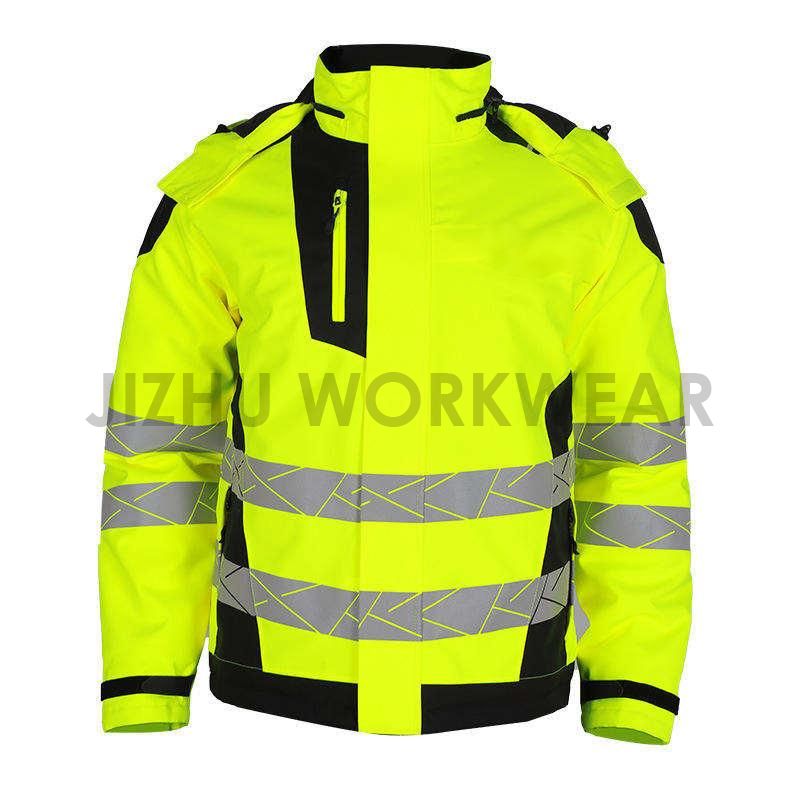
Winter oem work jackets are primarily insulated with polyester padding, fleece lining, and functional composite materials, which provide reliable warmth, moisture resistance, and durability for industrial environments.
Compared with natural materials, these solutions are more stable, cost-effective, and suitable for bulk OEM production.
1. Key Thermal Insulation Materials
1.1 Polyester Insulation (Mainstream Choice)
Polyester padding is the most widely used insulation material in industrial work jackets.
Key advantages:
Stable thermal performance in wet and cold environments
Good durability for construction and outdoor use
► Typical application:
Construction winter jackets
Outdoor workwear
Logistics uniforms
1.2 Fleece Lining
Fleece is commonly used as an inner lining to improve comfort and heat retention.
Key advantages:
Soft and comfortable for long working hours
Lightweight with good insulation
Works well in layered systems
► Typical application:
Warehouse workwear
Light outdoor jobs
Transitional weather conditions
1.3 Composite Insulation Structures
Modern OEM work jackets often combine insulation with functional outer layers.
Key advantages:
Combines warmth + waterproof performance
Suitable for rain, snow, and high-humidity environments
Improves overall garment lifespan
► This structure is widely used in:
Winter construction sites
Outdoor maintenance work
Harsh weather environments
2. Benefits of Thermal Insulation
2.1 Heat Retention
High-quality insulation ensures workers stay warm in cold outdoor environments, reducing risk of cold-related discomfort and improving productivity.
2.2 Mobility and Flexibility
Modern insulation reduces bulk, allowing better movement—critical for construction workers, carpenters, and technicians.
2.3 Moisture and Weather Protection
When combined with waterproof fabrics and seam sealing, insulation systems help:
Keep workers dry
Prevent heat loss caused by moisture
Improve overall comfort in long shifts
3. Factors to Consider in Selection
For B2B buyers working with an oem work jackets supplier, insulation selection should be based on real project requirements.
3.1 Working Environment
Different environments require different insulation solutions:
Cold + wet conditions → Polyester + waterproof structure
Outdoor construction → Durable insulated jackets with reinforced fabric
Indoor/warehouse → Lightweight fleece or medium insulation
3.2 Activity Level
High activity (construction, carpentry) → breathable, flexible insulation
Low activity (security, logistics standby) → higher warmth retention
3.3 Durability & Lifecycle Cost
For bulk procurement, durability is critical:
Polyester insulation → best balance of cost and durability
Composite structures → longer product lifespan
Reinforced design → reduces replacement frequency
3.4 OEM Customization Capability
A reliable supplier should support:
Fabric and insulation customization
Waterproof level adjustment
Logo, embroidery, and packaging customization
Pattern modification (product upgrades for repeat orders)
► This is essential for long-term cooperation and brand consistency.
Conclusion
Thermal insulation is a key component in winter oem work jackets, but the best solution is not the warmest material—it is the one that fits the working environment, usage intensity, and procurement strategy.
For industrial applications, polyester-based insulation combined with waterproof construction remains the most reliable and scalable solution.
- Previous: Reflective Tape Standards for OEM Safety Work Jackets
- Next: None
- 0